SWIM LESSON 2 Swim Pointers on the Crawl or free style:
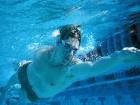
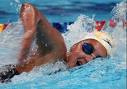
Check points: Am I level in the water, no leg or foot drag?
Am I swimming skinny, inside an 18 inch circle or do I create drag by being too wide with arms and legs?
Do I feel the water in the grab and keep my traction all through the pull?
Are my elbows high and arms extending out and forward on my reach and roll?
Am I reaching and rolling shoulders and hips on both sides?
Am I fully exhaling, blowing out through the stroke after a quick inhale?
Are my kicks driving my lower torso with no major leg separation?
Are my face, eyes, head and neck relaxed?
Cycling: great cardio on two wheels! Pedal your way into Lifetime Fitness shape
Cycling- No better way to travel. Look at www.bicycling.com www.roadcycling.com www.AdventureCycling.com
for gear www.bikenashbar.com
Cycling Tip of the Month- Pull UP!
Pull up on the pedals as well as pushing down. Don't just be a masher or grinder; learn to pedal a complete circle by flexing your ankles and pulling up at the bottom of the pedal stroke. This will even out your stroke and let you spin higher cadences, higher RPMs and keep your bigger drive muscles fresh for hills and sprints. Pull up, get another gear and go on cruise control. Happy spinning!
Relax the neck: be conscious of your posture when riding.Many people lock the arms and hunch the shoulders. Do some periodic shoulder rolls and shrugs to stay loose. Sit up once in a while to rest the muscles and stretch.
Keep changing your arm and hand position; make sure your shoulders stay relaxed even when you push it hard.
|